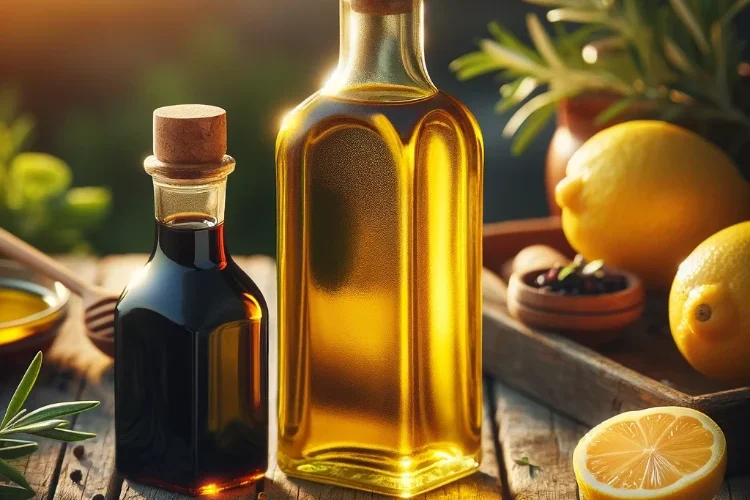
Short answer: there is no proven drink, cleanse or morning recipe that removes atherosclerotic plaque from arteries. Extra-virgin olive oil can be part of a cardiovascularly healthy dietary pattern, but mixing it with balsamic vinegar and lemon juice does not “flush” cholesterol from blood vessels.
The earlier version of this article recommended an olive-oil mixture on an empty stomach and suggested that vomiting could represent liver or bile-duct cleansing. I have removed that claim. Vomiting is an adverse symptom, not evidence that toxins or plaque are leaving the body.
What atherosclerotic plaque actually is
Atherosclerosis is a chronic process in the artery wall involving retention of apoB-containing lipoproteins, inflammation, immune cells, fibrous tissue and, in many plaques, calcium. It is not simply a layer of dietary fat stuck to the inside of a pipe.
Because plaque is part of living arterial tissue, it cannot be rinsed away with lemon juice, vinegar, bile stimulation or a short detox regimen.
Can plaque regress?
Yes, modest regression and stabilization can occur. Imaging studies and meta-analyses show that sustained lipid-lowering treatment can reduce coronary plaque volume, particularly when LDL cholesterol is substantially lowered. The clinical goal is not to make arteries “perfectly clean” but to reduce the chance that plaques grow, rupture or trigger a heart attack or stroke.
The 2025 ESC/EAS dyslipidaemia update continues to treat LDL lowering as a central component of cardiovascular prevention for people whose overall risk warrants treatment.
Where olive oil fits
Extra-virgin olive oil is not useless. In the PREDIMED trial, a Mediterranean dietary pattern supplemented with extra-virgin olive oil was associated with fewer major cardiovascular events than the control diet in a high-risk population. That supports olive oil as part of an overall dietary pattern, not as an artery-cleansing medicine.
What actually changes cardiovascular risk
- not smoking;
- controlling blood pressure;
- regular physical activity;
- a diet rich in minimally processed plant foods, with appropriate energy intake;
- managing diabetes when present;
- lowering LDL/apoB when indicated by overall cardiovascular risk;
- using evidence-based medication when the expected benefit outweighs risk.
If someone already has coronary artery disease, carotid plaque or very high cardiovascular risk, a homemade mixture should not replace medical assessment or proven prevention.
Bottom line
Olive oil, vinegar and lemon can be food. They are not vascular solvents. The evidence for actual plaque regression comes from sustained risk-factor modification, especially intensive lipid lowering, over months to years.
Sources
- 2025 ESC/EAS Focused Update on dyslipidaemias.
- Atherosclerotic coronary plaque regression from lipid-lowering therapies: meta-analysis and meta-regression.
- PREDIMED: Mediterranean diet supplemented with extra-virgin olive oil or nuts.
Medical information
This article may contain published medical evidence, clinical context, personal observations, or hypotheses. These are not equivalent levels of evidence. See the Editorial & Medical Review Policy and Medical Disclaimer. This content is educational and does not provide an individual diagnosis or treatment plan.