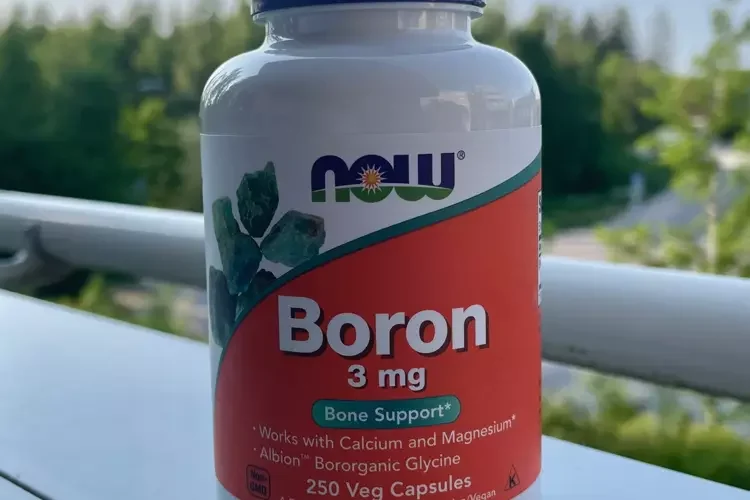
Boron, a trace mineral found in certain foods and the environment, has been gaining attention for its potential health benefits, particularly for men.
What is Boron?
Boron was first isolated in 1808 by independent teams in France and Britain, although obtaining the pure element took much longer. Boron compounds were used well before that, and boron later became an important micronutrient in agriculture. Boron is present in human tissues and food, but its physiological role in humans is not established well enough to classify it as an essential nutrient or to claim broad organ-specific benefits from supplementation.
Boron and Testosterone Production
Small human studies have examined whether boron changes testosterone and sex hormone-binding globulin (SHBG). Some short-term results suggest changes in these markers, but the studies are small and inconsistent, so they do not establish boron as a reliable testosterone-raising supplement.
One small study reported higher free testosterone and lower estradiol after 10 mg/day of boron for one week. Because the sample was small and the intervention brief, this result is hypothesis-generating rather than evidence that boron improves testosterone or the testosterone-to-estrogen balance in men: https://pubmed.ncbi.nlm.nih.gov/21129941/
Boron has also been studied in relation to vitamin D and mineral metabolism. These interactions are biologically interesting, but current human evidence does not show that boron supplementation meaningfully raises vitamin D or testosterone in generally healthy men.
Boron may interact with vitamin D metabolism, but this does not establish boron supplementation as a treatment for low testosterone. Men with suspected testosterone deficiency should be evaluated with appropriate symptoms, repeat morning testosterone testing, and clinical assessment rather than relying on a supplement claim.
Human studies have produced mixed results. One study in bodybuilders found no testosterone increase with 2.5 mg/day for seven weeks, while another small study reported an increase in free testosterone at a higher dose. These findings are not consistent enough to support boron as a testosterone booster. There is no established recommended daily intake for boron. The NIH Office of Dietary Supplements notes that evidence is insufficient to set an RDA or AI; the adult tolerable upper intake level is 20 mg/day.
Boron and Bone Health
Boron may influence mineral and bone metabolism, but it is not currently classified as an essential nutrient for humans and no RDA has been established. Human evidence is not strong enough to recommend boron supplements specifically to prevent osteoporosis.
Boron and Cognitive Function
Some older dietary studies have reported associations between very low boron intake and poorer performance on selected cognitive tasks. The evidence is limited and does not establish that boron supplements improve cognition in generally healthy adults.
Boron-Rich Foods
While boron supplements are available, it’s also beneficial to incorporate boron-rich foods into your diet. The highest doses of boron are found in plant products, cereals, nuts, and dried fruits. Boron is also found in cider, beer, and wine.
Boron content in products (per 100 g):
Soy – 750 µg
Buckwheat – 730 µg
Peas – 670 µg
Beans – 490 µg
Grapes – 360 µg
Beetroot – 280 µg
Oatmeal – 270 µg
Corn – 260 µg
Apples – 250 µg
Cabbage – 200 µg
Lemons – 175 µg
Kiwi – 100 µg
Boron from food and supplements is generally absorbed, but absorption and clinical effects vary with the chemical form, dose, diet, and individual factors. There is no established rule that a “healthy digestive tract” guarantees full absorption.
Boron content varies across foods and beverages. Alcohol should not be used as a source of boron; any potential nutritional contribution is outweighed by the well-established health risks of alcohol consumption.
Evidence for boron supplements improving testosterone, bone health, or cognition in generally healthy adults is limited and not strong enough to support routine supplementation. Most people can obtain boron from food, and supplementation is not routinely recommended for healthy adults. For intake, safety, and evidence details, see the NIH Office of Dietary Supplements boron fact sheet.