This will be a very short and compact article. So, fat burners, do they work and if so, how?
The ideal scenario would be when you eat something, and it burns fat within your cells, kind of like a fat absorber. You continue lying on the couch, eating pizza, it fusses around, convenient and simple. However, it probably doesn’t work like this because fat only oxidizes in one case: when the body needs to draw energy from fat.

The label “fat burner” covers very different ingredients, and the name often promises more than the evidence supports. Some ingredients can affect alertness, appetite or exercise performance, but that is not the same as producing a large independent loss of body fat.
If you look into the composition of various pre-workout complexes, fat burners, you’ll see a specific set of components that can be roughly divided into three main groups.
The first one is stimulators of the central nervous system: caffeine, guarana, yohimbine, and even chocolate. These are the things that make you feel a surge of energy and create an illusion that some powerful oxidizing process has been activated. I think the idea here is clear: will this somehow positively affect fat burning? Caffeine and other stimulants can increase alertness and sometimes exercise output, but any effect on body weight is usually modest and must be weighed against sleep disruption, anxiety, heart-rate effects and other adverse effects.
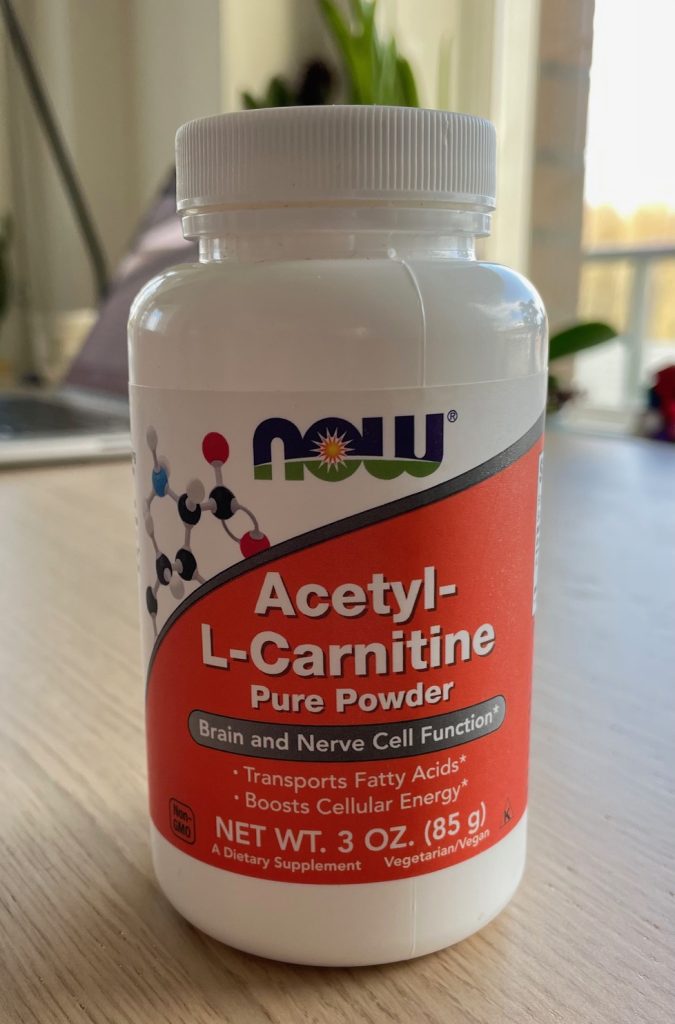
L-carnitine transports fatty acids into mitochondria, but that biochemical role does not make it a powerful “fat burner.” Randomized-trial meta-analyses suggest, at most, a modest average effect on body weight, mainly in people with overweight or obesity. It is not a substitute for an energy deficit or an established obesity treatment.
Ingredients such as beta-alanine and citrulline are better considered performance-oriented supplements than fat-loss agents. Some may help particular types of exercise, but improved workout capacity is not the same as directly increasing fat loss. Evidence and effective doses differ by ingredient, and multi-ingredient products make benefits and side effects harder to attribute.
A stimulant-containing product may make a workout feel more energetic, but mixing stimulants and performance supplements can also increase adverse effects, including palpitations, anxiety and disturbed sleep. Ingredient doses, interactions and individual medical conditions matter more than a product’s ‘fat-burning’ label.
Exercise is a physiological stressor, but resistance training can improve strength, function and body composition when the dose and recovery are appropriate. It is useful for many people, but it is not a mandatory antidote to mental stress or a justification for stimulant use.
A more useful question is why movement often improves mood and metabolic health, even when it is not a weight-loss shortcut. Exercise can affect stress responses, sleep, insulin sensitivity and fitness through several mechanisms; there is no need to assume that humans are physiologically designed for a single ancestral lifestyle.
Stress hormones such as adrenaline and cortisol are regulated through complex feedback systems and metabolism. Muscles are not a ‘recycling factory’ that must burn these hormones after every emotional event. Exercise can improve stress regulation for many people, but the mechanism is not simply the physical discharge of a hormone surge.
Modern psychological stress does not necessarily cause harm because someone failed to run or fight afterwards. A lack of physical activity can contribute to poor health, yet stress is shaped by sleep, circumstances, mental health and other factors. Activity can be one helpful response, not a universal cure.
After a difficult day, a manageable walk or moderate workout may be more sustainable than maximal-intensity training. The right dose depends on recovery, sleep, fitness, symptoms and personal preference; there is no evidence-based rule requiring a particular training style to ‘clear’ accumulated stress.
Regular physical activity is strongly supported for health and weight management, but exercise should not be described as a universal cure for stress-related or medical problems.
Bottom line: there is no well-established “optimal fat-burning stack.” L-carnitine may have a small average effect on weight in some populations, while beta-alanine, citrulline and taurine are primarily studied for exercise or other outcomes rather than meaningful fat loss. Diet, physical activity, sleep and, when appropriate, evidence-based obesity treatment matter much more.